Unlocking Opportunities to Articulate the Greatness Within Us All
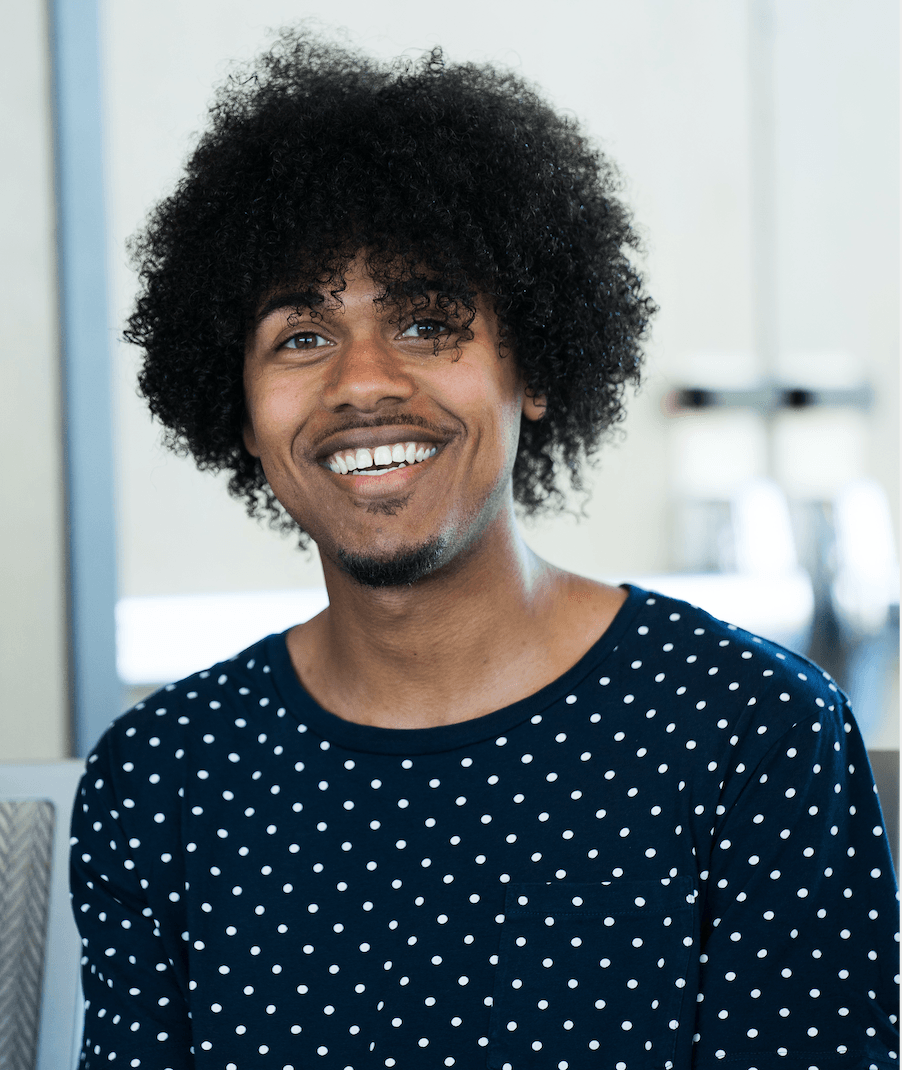
 
Emanuel “Boo Milton” is the creator of Spark Box and a member of Cities United Advisory Board. He is an active community organizer in Baton Rouge, Louisiana. 

In this time of many uncertainties, one thing that is certain is the need for continual growth and development of our society. The two key factors of that continual development are our youth and their education. When the pandemic first hit home here in the United States, and schools were closing, it really shifted how children received education. As the new virtual and distant learning continued, I observed many challenges within this new way of educating our youth. 

Moving into the summer, when schools close and summer camps usually embrace the opportunity to engage with kids, many camps closed last year or only provided limited services. This really touched me personally because I enjoy volunteering at camps and helping children navigate through leadership roles and social-emotional learning. With this in mind, I created a solution to make sure kids receive continual development throughout the summer, called Spark Box. 

Spark Box is an activity kit that focuses on social awareness, self-awareness, and critical thinking through social-emotional learning and creativity. These kits were designed and created with the idea that all children, no matter their economic background, are able to participate and thrive. With this in mind, all activity boxes are packed with everything a child needs, without having to rely on their own resources or purchasing new supplies such as crayons, a pencil, and other basic items to complete provided activities. So, even children who do not have access to the internet can engage and enjoy. Our activity boxes not only provide fun educational activities but also ask children to complete a “daily check-in” to express how they feel every day.


Parents/adults are given the opportunity to assess mental and emotional wellness and provide intervention, if necessary, to address possible issues. We also do not assume that all parents are equipped to address trauma, stress, and mental wellness concerns with children, so we equip each box with a parent’s guide to help their child navigate through their thoughts and emotions. This guide also includes contact information for professional services that may be able to assist.


We launched our Spark Box Summer Initiative last year providing Spark Box activity kits to families in Baton Rouge, Louisiana at absolutely no cost to parents. Support from the Mayor’s Office for the City of Baton Rouge and local businesses helped to make it happen, with currently over 2,000 kits distributed to children since June 2020. This initiative quickly caught the attention of eyes across the country through the amazing feedback from kids and parents.


I was honoured to have the opportunity to share Spark Box on an international stage at Theirworld / Global Business Coalition for Education’s ``Unlock Big Change” event for UNGA 2020. As a panellist for their conversation on “Education in Emergencies”, I was asked to explain why education is important and how education unlocks opportunity. My response was, “I believe education unlocks the opportunity to better articulate the greatness within us. We all have a light of greatness and revolutionary ideas within us. When this energy is matched with the knowledge of how to better express ourselves and challenge our current ways of thinking, it introduces new growth and opportunity to be a greater asset to ourselves and the world we are a part of.”
BY BOO MILTON • April 30, 2021
By Ann Beatty July 23, 2026
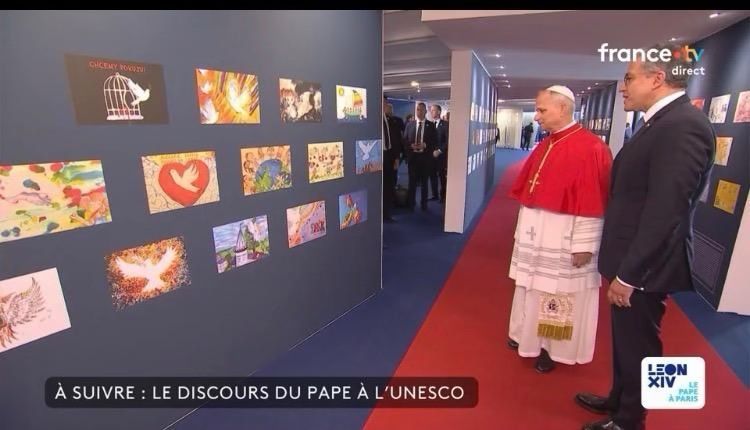
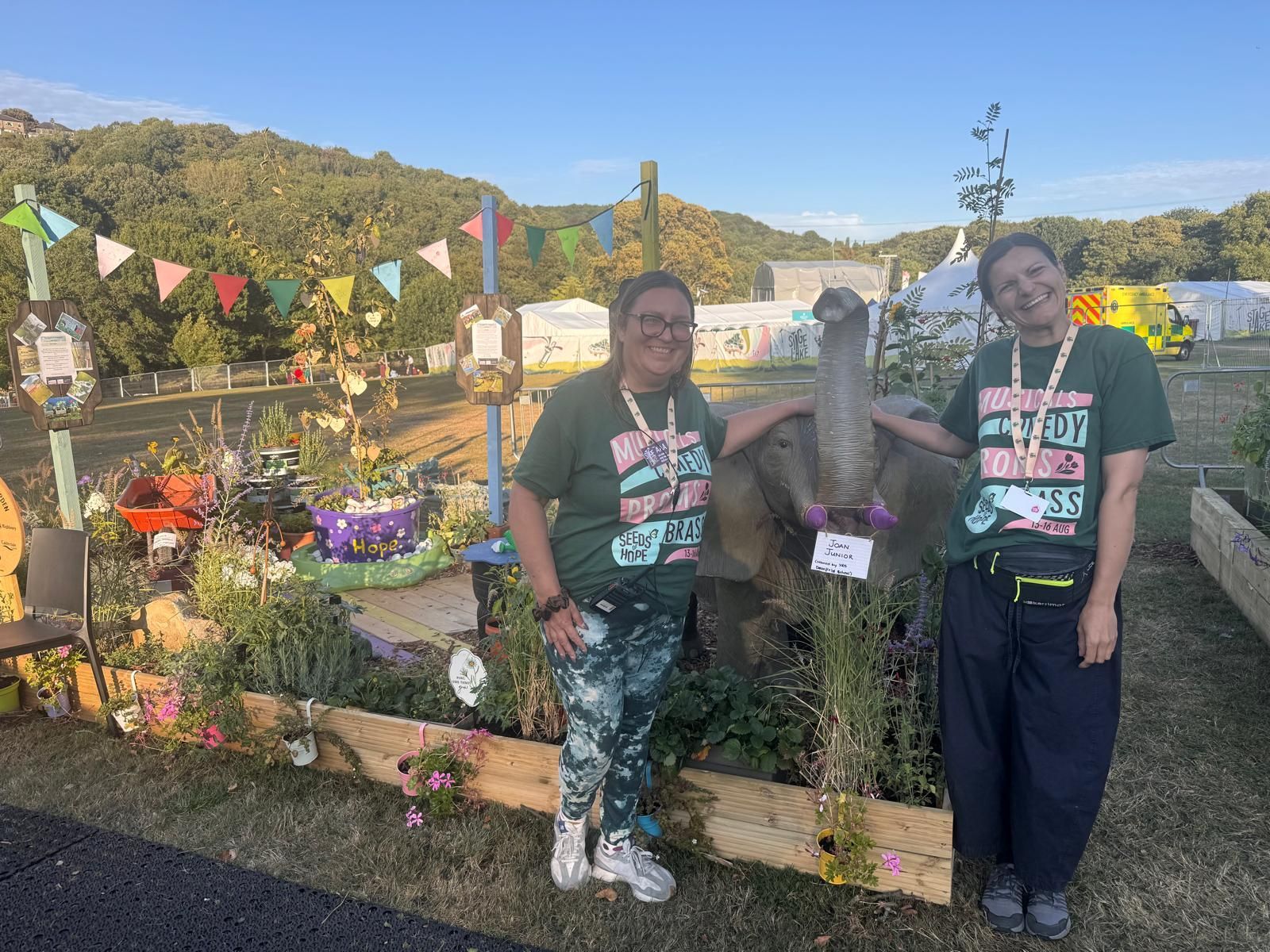
Something is energising about spending time with people who genuinely care about children and young people. That was my experience at this year’s Children’s Media Conference in Sheffield. I had the privilege of joining the Local Heroes panel, sharing the story of Seeds of Hope for a Better Future - a partnership between UNESCO ASPnet UK and partners across the U.K and globally. Seeds of Hope has connected partners through collaboration on projects and has grown in the past year. One of the projects highlighted was the Lights Camera Score programme in schools, which is now working on an exciting project with Calderdale Council and the English Chamber Orchestra, which will showcase this August at Shibden House. As we enter the second year of the competition, it was encouraging to discover how much interest there is from writers, producers, educators and creatives who are asking the same question: How can we help young people imagine and create a better future? What struck me most throughout the conference was the intention behind the conversations. Rather than assuming what young people need, there was a genuine desire to listen, understand and create media that reflects their lives, their challenges and their aspirations. One of the most thought-provoking sessions gave the microphone to young people themselves. They were asked about the proposed social media ban for under-16s, and their responses were refreshingly honest. Their message was clear: they believed the ban would be difficult to enforce because young people would inevitably find ways around it. Instead of excluding them from digital spaces, they argued that our focus should be on making those spaces safer and on helping young people develop the skills they need to navigate an increasingly digital world. One comment in particular stayed with me. A young panellist admitted, “Yes, it’s true I spend too much time on social media but so do all of you adults in the room.” The audience responded with warm applause. It was a reminder that young people notice the contradictions in the messages they receive, and that meaningful dialogue begins with honesty rather than judgement. That session reinforced something I have long believed: if we are serious about shaping the future, we must involve the people who will inherit it. Too often, decisions are made about young people rather than with them. Yet when we create opportunities for them to share their ideas, they offer thoughtful, creative and practical perspectives that deserve to be heard. That spirit resonates deeply with the values behind Seeds of Hope for a Better Future. The competition is built on a simple but powerful belief: when children and young people are allowed to express their ideas through creativity, they do more than imagine change; they begin to shape it. Over the past two years we have seen young people respond with imagination, compassion and practical solutions to some of the world’s biggest challenges. Their artwork, writing, films and performances remind us that hope is not passive; it is something we nurture through creativity, collaboration and action. I left Sheffield feeling optimistic. Not because all the answers exist, but because I met so many talented people committed to listening to young voices and working alongside them. The enthusiasm shown for Seeds of Hope for a Better Future affirmed that there is a growing movement of educators, creatives and media professionals who believe children and young people should not only be represented in stories but also help shape them. Perhaps that is what being a local hero is really about. It is not about having all the answers. It is about creating the conditions for others to flourish, listening with curiosity and planting seeds of hope that will continue to grow long after the conversation has ended. You can follow the journeys below: https://www.stageatthelake.co.uk/seeds-of-hope https://threestonesmedia.co.uk/blog/portfolio-item/lights-camera-score/ Entries for Seeds of Hope for a Better Future for 2026 have closed, and we will be back again next year: https://unesco.org.uk/ For inspiration, you might like to have a look at the 2025 Winners: https://www.youtube.com/watch?v=_bb8PJS5j7k Ann Beatty UNESCO ASPnet Coordinator UK CEO, The Steve Sinnott Foundation Music from #Uppbeat (free for Creators!): https://uppbeat.io/t/roo-walker/over-the-horizon License code: ZFK6D180PHNWXSYQ
By Marie Antoinette Corr June 10, 2026
1. Background and Rationale In The Gambia, school-related gender-based violence (SRGBV) remains a serious barrier to education. Girls are most at risk, though boys can be targeted too and human rights organisations increasingly recognise poverty itself as a form of structural gender-based violence. Period poverty - the lack of access to menstrual products, education, and sanitation sits at the heart of this problem. Without safe facilities or affordable pads, many women and girls are pushed into transactional sex just to manage their periods, exposing them to serious risk of physical and sexual assault. Even without that direct danger, period poverty quietly excludes girls from school and public life: missing class due to a lack of pads or poor toilet facilities fuels absenteeism, dropout, low self-esteem, and often early marriage, deepening cycles of poverty. This is a global crisis hiding in plain sight. An estimated 500 million of the 800 million people who menstruate worldwide struggle to afford period products, and nearly 1 in 4 students faces the same barrier. A burden that falls hardest on the already marginalised. In The Gambia, girls who can't afford sanitary pads often face poor academic performance, truancy, and lasting health and psychological effects. A lack of education around menstruation breeds stigma around something entirely normal and healthy. That's why community sensitisation is so critical. Breaking the taboo helps reframe menstrual products as necessities, not luxuries, and gives women and girls the tools to manage their health with dignity, including safe alternatives like reusable pads where commercial products aren't accessible. Training women to sew their own reusable pads goes further still, building not just access but autonomy and confidence. With GBV cases rising in both schools and communities, the need for coordinated action has never been more urgent. Tackling SRGBV and period poverty specifically isn't the job of one institution alone; it requires educators, communities, and stakeholders working together toward one goal: menstrual dignity and bodily autonomy for every woman and girl. In response, the Gambia Teachers Union, with funding from the Steve Sinnott Foundation, held three community sensitisation sessions on SRGBV and period poverty from 5–7 June 2026. Sessions included demonstrations on making reusable sanitary pads and distributed materials for step-down training in schools and communities. A total of 312 participants, including school mothers' clubs, community and religious leaders, and traditional communicators, attended across three venues: Farafenni Community Centre, Brikamaba Senior Secondary School Hall, and the Regional Education Directorate 4 (Mansakonko) Conference Hall. 2. Objectives Sensitise stakeholders on SRGBV and its impact on girls Offer a durable alternative to costly disposables, easing pressure on family budgets Improve hygiene and health to prevent infection Build community skills to make affordable, sustainable products like reusable pads Promote safe, inclusive school environments Break stigma through community-wide education Establish safe, confidential reporting pathways beyond traditional barriers Challenge harmful norms, victim-blaming, and cultures of silence Unite Mothers' Clubs and female teachers, leveraging their social and structural influence Build peer support networks with access to trusted adults for emotional support Expand access to menstrual products and champion menstrual equity The sensitisation was on Promote safe menstrual practices to prevent infections from unhygienic alternatives (rags, tissue, leaves, etc.) Teach private, hygienic methods for changing, washing, and drying Train girls and women to produce eco-friendly reusable pads from local materials Establish community-led pad banks and income-generating sewing groups for women Address the reality that girls miss 5 school days a month due to lack of pads or fear of leakage and bullying Level the academic playing field by reducing dropout gaps between boys and girls Shift community narratives to remove taboos and myths around menstruation Engage boys and men to build empathy and normalise periods as a shared, natural issue, not a "women's burden" The sessions were highly participatory, allowing teachers to share experiences, raise concerns, and explore context-specific solutions. Training on period poverty alleviation is critical because it empowers communities, breaks dangerous taboos, and tackles the economic, health and educational barriers associated with menstruation. By building local capacity, it creates sustainable long-term solutions. Participants were happy about the training and committed to conducting step-down trainings for other Mothers' Clubs and adolescent girls in their schools. Participants were given sets of materials to start with. The pads will help girls have a reliable and sustainable solution to their menstrual worries, hence enabling them to avoid infections, exploitation, shame, low self-esteem, stress, and they will remain in school Materials for Distribution
By Ann Beatty June 1, 2026
On Friday evening ( 29 May, 7.00 pm The Actors Church Covent Garden) we had the pleasure of listening to this very special concert, bringing together the Choir of King's College London and the Princeton High School Orchestra in a celebration of international friendship, collaboration, and shared values. This project reflects a commitment to peace, sustainability, equality, and cultural exchange, uniting young musicians from the United Kingdom and the United States through the universal language of music.